


Aquaculture

Aquaculture (also known as fish farming) is the cultivation of aquatic organisms like fish, shellfish and plants under controlled conditions. Aquaculture involves breeding, raising, and harvesting these organisms either in tanks, ponds or coastal areas. This method is a vital part of meeting the global demand for fish, as it provides a sustainable alternative to conventional fishing methods and helps to relieve pressure on natural ecosystems.

LOGOELE

How Sensors help Aquaculture Develops?

Sensor technology is crucial to the development of aquaculture. Here’s what it does:

Sensors can provide data in real-time on parameters such as temperature, pH and dissolved oxygen. Aquaculturists can use this information to maintain optimal water conditions and ensure the health of aquatic organisms.

Disease Prevention and Management: Sensors are able to detect early signs in aquaculture systems, by monitoring behavioral and physiological parameters. This allows for timely intervention, preventing the spread of disease and resulting in healthier and more productive organisms.

Feed optimization: Sensors optimize feeding practices through the monitoring of consumption patterns, and by adjusting feeding schedules in accordance. This helps reduce waste and increases efficiency in feed utilization, which can help to reduce costs and the environmental impact.

Environmental Impact Assessment: Sensors can measure water flow, currents, and nutrient concentrations. This allows aquaculturists to assess the environmental impact and minimize it. This encourages sustainable development while minimizing harm to ecosystems.

Automation and Efficiency: Sensor technologies allow for the automation of tasks such as feeding, water exchange and monitoring. It improves efficiency and reduces labor costs. Remote management is also possible, allowing aquaculturists more time to concentrate on other aspects of their development.

Sensors Use in Aquaculture

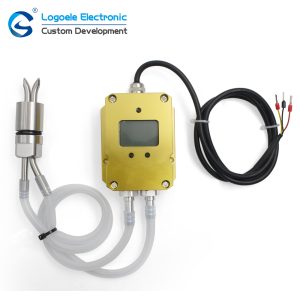
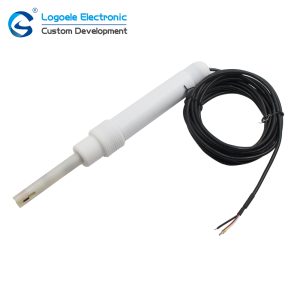
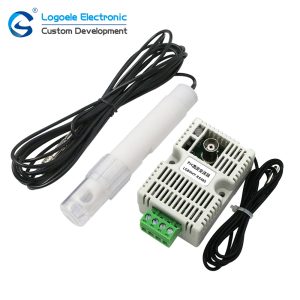
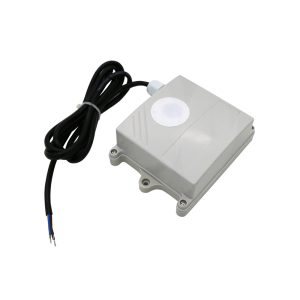
Aquaculture uses various sensors to monitor and manage important parameters. Some commonly employed sensors in aquaculture include:

  • Temperature Sensors: These sensors monitor water temperature to ensure it remains within optimal limits for cultivating specific species. 
  • Dissolved Oxygen Sensors: These sensors measure how much dissolved oxygen there is in the water, giving an indication of their health status for aquatic organisms.
  • pH sensors measure the acidity or alkalinity of water to maintain an ideal environment for cultivating specific species, helping maintain optimal conditions. 
  • Ammonia Sensors detect ammonia levels that pose threats to aquatic life, providing timely intervention strategies.
  • Nitrate and Nitrite Sensors: These sensors monitor water for levels of nitrates and nitrites to prevent contamination while upholding quality standards.
  • Turbidity Sensors: Turbidity sensors measure water clarity to create optimal conditions for organisms and detect potentially hazardous particles in the environment.

Discover Logoele's Aquaculture Sensor!

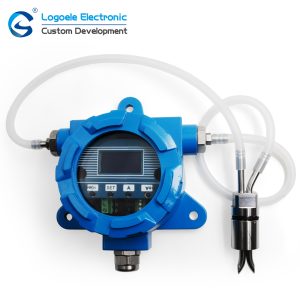
Need an Aquaculture Sensor? Explore our gas sensor selection ideal for the application. Contact our sales team today and find the perfect match for your needs.

Logoele

Send Inquiry

From selecting the right devices for collecting indoor air quality data to integrating them with building management systems – our team of experts is here to help.