Hydroponic

Hydroponics is a contemporary way of growing plants without soil. Instead of using soil, it uses nutrient-rich water to give plants what they need to grow. It directly provides important nutrients to the roots, which helps plants grow well and produce more. As the world’s population increases and available farmland decreases, hydroponics offers a practical solution to produce more food while taking care of our environment.

LOGOELE

Sensors: The Foundation of Hydroponic Systems

Sensors play a pivotal role in ensuring optimal plant growth and productivity in the Hydroponic. From monitoring essential factors like pH levels, electrical conductivity (EC), and temperature, to gauging nutrient levels and water quality, sensors are the fundamental building blocks of a successful hydroponic setup. They allow growers to make informed decisions, maintain precise control over variables, and ensure that plants receive the ideal conditions for growth.

Innovations in sensor technology have revolutionized hydroponic farming by enabling automation and remote monitoring. With the data collected by sensors, farmers can fine-tune their systems, troubleshoot issues promptly, and optimize resource usage.

As hydroponics continues to pave the way for sustainable agriculture, sensors remain at the forefront, driving innovation and ensuring that crops thrive in controlled environments.

Sensors Use in Hydoponic

Nowaday, the popular hydroponic systems are Deep Water Culture (DWC), Nutrient Film Technique (NFT) , Aeroponics and Wicking System. 

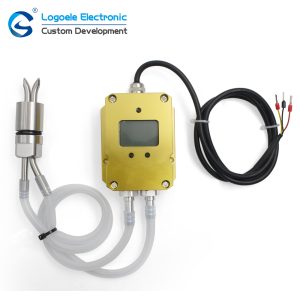
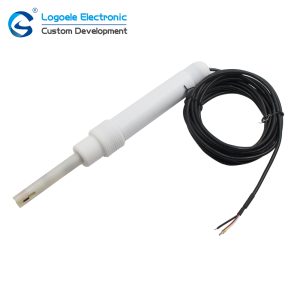
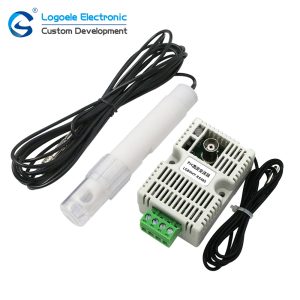
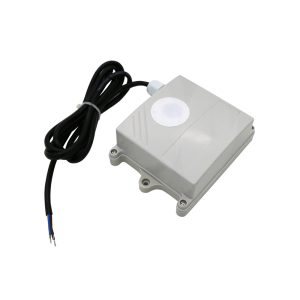
Here’s a list of sensors commonly applied in different hydroponic systems:

  1. pH Sensors: These sensors measure the acidity or alkalinity of the nutrient solution, ensuring that the pH level remains within the optimal range for plant nutrient absorption.

  2. EC (Electrical Conductivity) Sensors: EC sensors measure the conductivity of the nutrient solution, indicating the concentration of dissolved salts. This helps maintain the right nutrient balance for healthy plant growth.

  3. TDS Sensors: TDS sensors measure the concentration of total dissolved solids in the nutrient solution, allowing growers to adjust nutrient strength accurately.

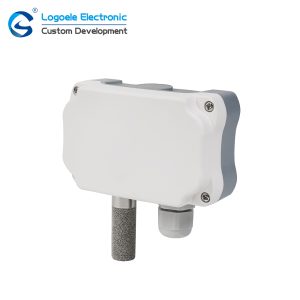
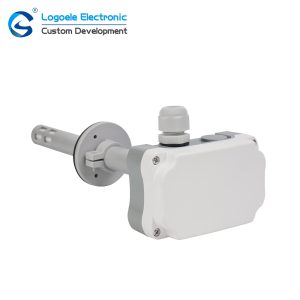
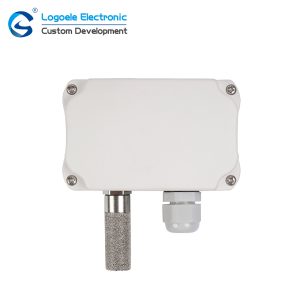
  4. Temperature and Humidity Sensors: Monitoring temperature and humidity levels in the growing environment helps prevent mold, mildew, and disease while promoting efficient water uptake by plants.

  5. Dissolved Oxygen Sensors: These sensors gauge the amount of oxygen dissolved in the nutrient solution, promoting healthy root development and preventing root rot

  6. Light Sensors: Light sensors measure the intensity and duration of light exposure, helping growers create ideal lighting conditions for different growth stages.

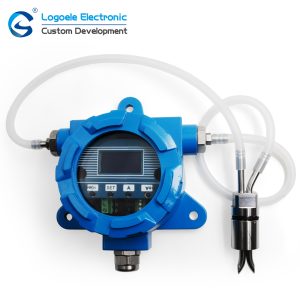
  7. CO2 Sensors: Carbon dioxide sensors measure CO2 levels in the air, enabling growers to optimize CO2 supplementation for enhanced photosynthesis and growth.

  8. Water Level Sensors: These sensors maintain the correct water level in hydroponic systems, preventing overflows or drying out of the root zone.

  9. Flow Sensors: These sensors control the injection of nutrients into the solution, maintaining a balanced and consistent nutrient mix, regulating the precise delivery of nutrients to plants, ensuring consistency, and preventing over-fertilization.
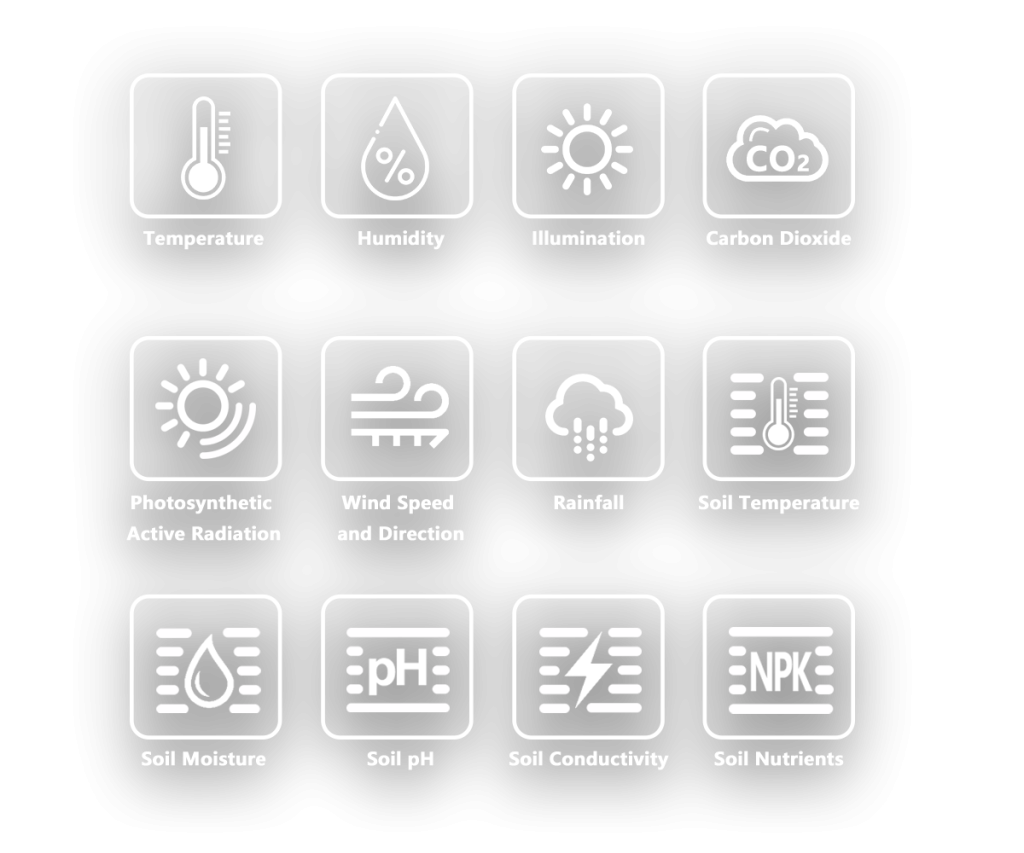

Discover Logoele's Hydroponic Sensor!

Need Sensors for hydroponic systems? Explore our gas sensor selection ideal for the application. Contact our sales team today and find the perfect match for your needs.

Logoele

Send Inquiry

From selecting the right devices for collecting indoor air quality data to integrating them with building management systems – our team of experts is here to help.