Graphene, as a new type of material, has a wide range of applicability, which can be used not only in traditional fields such as healthcare, environmental protection, and industry but also in emerging fields such as smart wearable devices and engineering mechanics monitoring. This multidisciplinary applicability makes graphene sensors have broad commercial prospects in different industries.
In recent years, extensive research on graphene material has made it an excellent resistive gas sensor material that has attracted much attention from researchers. This paper focuses on the fundamentals, current status, and graphene problems in gas sensors.
What is Graphene
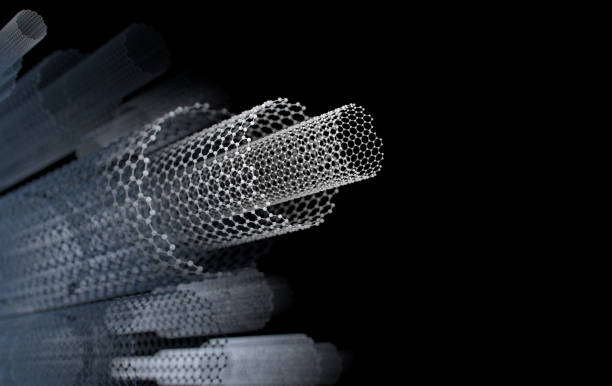
Graphene is a single-atom-thick, two-dimensional layered carbon monolayer consisting of SP2 hybridized carbon atoms ordered in a two-dimensional plane. Strictly speaking, graphene refers only to a single layer of carbon monomers, but in practical research, similar structures that include fewer layers or contain other atoms (such as nitrogen, oxygen, or hydrogen) are also referred to as graphene, and thus graphene sheets are the basic building blocks of a wide range of carbon materials.
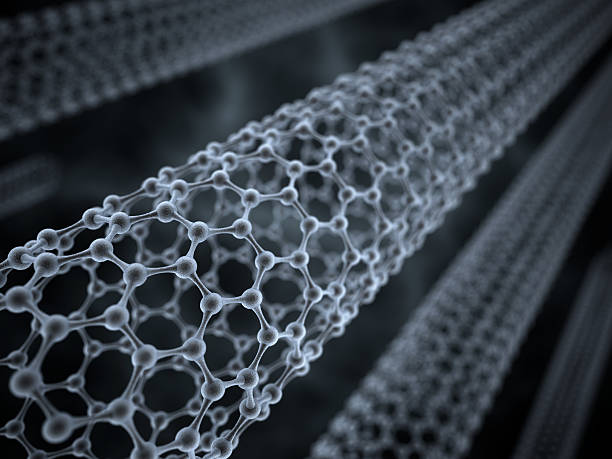
Graphene has a variety of forms, such as curling into a closed structure to form fullerenes, curling along the axial direction to form carbon nanotubes, and stacking multiple layers in parallel and in an orderly manner to form graphite. graphene attracted widespread attention in 2004, as it is characterized by a higher degree of softness, biocompatibility, a large surface-area effect, and ease of functionalization with chemical modifications compared to carbon nanotubes.
Basic construction method and working principle of graphene gas sensor
Graphene is mainly utilized in resistive gas sensors, and the fabrication steps consist of deciding on a selected insulating ceramic substrate, and coating or growing graphene fabric or graphene/semiconductor composite material as gas-sensitive material on its surface. Electrodes are drawn out at both ends of the gas-sensitive material and linked to a detection circuit to form a gas sensor. whilst the sensor is positioned in a selected surroundings, the fuel molecules are adsorbed on the surface of the gas-sensitive material, resulting in an change in resistance. The application of graphene in the field of gas sensors is due to its good electrical conductivity and large specific surface area.
Compared to traditional semiconductor fuel-sensitive substances, the utility of graphene drastically improves the sensitivity of the sensor, shortens the response and recuperation time, and reduces the noise signal.

Graphene materials for gas sensor applications
Graphene materials can be obtained in 3 ways: graphene obtained by exfoliation, CVD-grown graphene and reduced graphene oxide. In order to elaborate the properties and principles of graphene in sensors in depth, the next section will focus on the research related to graphene as a gas-sensitive material.
Application of graphene sheets obtained by exfoliation in gas sensors
Graphene obtained by mechanical stripping or chemical stripping has a low yield is mainly used alone to construct gas-sensitive devices and is less compounded with other semiconductor materials. The valence band of this type of graphene is generally zero or close to zero, and only a small number of molecules need to be adsorbed on the surface to cause a significant change in conductivity. Its sensitivity is higher compared to wide bandgap semiconductor materials. Graphene initially used for gas sensors is mainly obtained by mechanical exfoliation and can respond to different gas molecules.
This type of graphene is usually used to make devices by first attaching or placing the graphene sheet on a kind of inert base, and then constructing sensors or other devices by physically making electrodes at the ends of the graphene sheet (e.g., thermal evaporation of metals, electron beam evaporation, or etching). Some researchers, such as MASSERA et al. have mechanically exfoliated expanded graphite in an inert gas atmosphere to obtain high-quality few-layer graphene sheets, and then deposited platinum electrodes on these sheets to fabricate gas-sensitive elements that respond to NO2 at room temperature, GEIM et al. also constructed sensors using graphene flakes obtained by mechanical exfoliation, which can effectively detect toxic gases in the environment with concentrations lower than 1 μg/L, such as NO2, NH3, H2O, and CO.
However, it was found in the experiments that the graphene material was tightly bound to the target molecules, similar to carbon nanotubes, which meant that the dissociation process of the gas molecules was relatively slow, affecting the reuse of the devices. To solve this problem, it must be heated to dissociate, or irradiated by UV light to restore its response to gases.
For graphene obtained by two different methods, mechanical and chemical exfoliation, it has been shown that chemically exfoliated graphene flakes are more advantageous in terms of thickness uniformity and suitability for gas-sensitive devices. Nevertheless, the graphene prepared by the exfoliation method is more used for experimental theoretical research due to its poor dispersion performance, difficulty in controlling the size and morphology, and more complicated operation in making devices, and thus is somewhat limited in practical applications.
Application of CVD graphene in gas sensors
With the rapid development of CVD technology, it is widely used to prepare graphene with good results. With the assistance of a metal substrate, the proportion of monolayer graphene in the product is as high as 95%.CHU report showed that graphene grown by CVD epitaxy with Pt modification can detect hydrogen in air.
Subsequently, WU et al. compared gas-sensitive elements with CVD-grown graphene surfaces modified with platinum with pure platinum metal films. They found that the introduction of graphene not only improved the sensitivity to hydrogen, but also reduced the reaction time and recovery time, and the lowest detection limit for hydrogen could reach 25 mg/L. However, CVD epitaxially grown graphene has to rely on a fixed substrate, which greatly limits its practical application. In order to achieve device integration, substrate dependence should be minimized, and recent researchers have used CVD to obtain morphologically controllable 3D graphene foams on nickel skeletons. Compared to conventional CVD preparation methods, this approach does not require substrate transfer and is capable of detecting NO2 gas at concentrations an order of magnitude lower than those of commercial polypyrrole sensors. The CVD approach is still difficult to generalize due to the high requirements for the preparation of gas sensors in real-life practice.
Application of reduced graphene oxide in gas sensors
Reduced graphene oxide (RGO) is more readily available in higher yields compared to other types of graphene and has a flexible form of application in gas sensors. It is possible to prepare gas sensors by using reduced graphene oxide flakes alone, or to take advantage of its solubility and construct devices by thin film preparation techniques. Methods for processing the devices include the direct use of reduced graphene oxide flakes, which is similar to the processing of graphene flakes obtained by the exfoliation method, and thin-film techniques, including spin-coating, inkjet printing, and electrophoresis.
Sensors can be obtained by spin-coating techniques, e.g., using spin-coating to cover reduced graphene oxide flakes on cross electrodes. Such devices have different response characteristics for NO2 and NH3, and like graphene, gas sensors based on reduced graphene oxide have in their own P-type region, where electron-absorbing nitrogen dioxide decreases the resistance and electron-giving ammonia increases the resistance. This chemical sensor can be used to detect DNT produced during TNT explosions with an accuracy of μg/L or more. Another spin-coating method directly utilizes spin-coating to first produce a graphene film and then deposit gold electrodes on the edges of the film to obtain a graphene-based gas-sensitive sensor. It was found that the reduced graphene-based device has the advantage of low noise compared to the carbon nanotube gas-sensitive device.
Using inkjet printing technology, reduced graphene oxide channels can be imprinted on PET films by employing aqueous reduced graphene oxide solution with surfactant attached as the ink raw material. Unlike other methods, the reduced graphene oxide film in this sensor is much thinner, and the resulting gas-sensitive sensor can detect NO2 in the order of magnitude up to 400 μg/L. In addition, other researchers have proposed the use of AC dielectric electrophoresis, which is used to fabricate carbon nanotube electronics, for the preparation of gas-sensitive sensors using reduced graphene oxide as a channel. This method utilizes a CVD method to deposit a layer of graphene on the surface of Ni, and then a suspension of reduced graphene oxide doped with palladium is added dropwise in the middle of the two electrodes, and a conductive thin film is formed between the two electrodes by the action of an AC electric field. This device has a very good response to ambient NO gas in the range of 2 to 400 μg/L.
Summary and Outlook
In the past five years, graphene materials have been widely studied in the field of gas sensors. Compared with nanomaterials such as carbon nanotubes and silicon nanowires, graphene materials are more suitable for constructing channel materials because of their low noise and easy functional modification and processing. Especially, the application of reduced graphene oxide in channel materials has not only been applied to gas sensors alone, but also a large number of studies on its composites, such as polymer-reduced graphene oxide composites, biomolecule-reduced graphene oxide composites, and nanoparticle-reduced graphene oxide composites, etc., due to the convenient processing and the many easy-to-modify chemical groups on the surface. composites, etc. These novel composites exhibit good gas-sensitive properties, and future research will focus more on producing gas-sensitive sensors with controllable morphology and reusable properties under efficient conditions. The application of graphene as an emerging material in sensors also requires a deeper understanding of its mechanism of action in order to improve its gas-sensing properties more effectively.