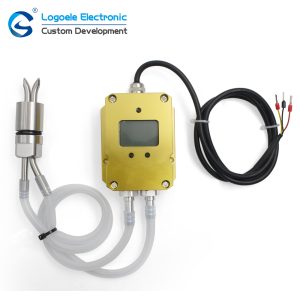
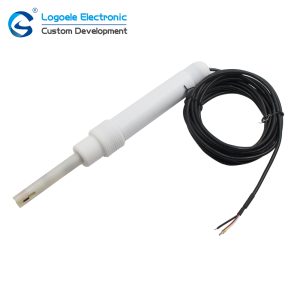
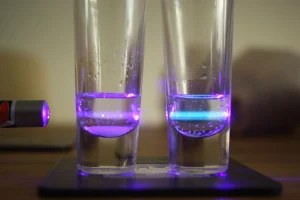
Agriculture refers to the practice of cultivating plants, raising animals, and undertaking other related activities with the intention of producing food, fiber, medicinal plants and other goods used to sustain and improve human life. Agriculture includes activities like crop cultivation, livestock rearing, forestry management and fisheries management – it plays an essential role in providing food security while supporting economic development as well as shaping rural landscapes
What can sensors do in agriculture?
An agriculture sensor is designed specifically for use in agriculture to collect data related to environmental conditions like soil moisture, temperature and humidity, light intensity, and other aspects. Farmers use agriculture sensors for monitoring irrigation, fertilization, and pest management operations while improving crop health, yield and quality through real-time data that enables informed decisions to be made more quickly and increase yield and quality.
How do agriculture sensors optimize greenhouse control systems for optimal plant growth?
Agriculture sensors play a crucial role in modern greenhouse control systems, enabling precise monitoring and management of environmental conditions to optimize plant growth and productivity. Here’s how agriculture sensors are commonly used in greenhouse control systems:
Light Sensors: Light sensors measure the intensity and duration of sunlight within the greenhouse. They help regulate artificial lighting systems and adjust shading mechanisms to ensure plants receive the appropriate amount of light for photosynthesis. Light sensors are crucial for crops requiring specific light conditions, especially in regions with limited sunlight or during different seasons.
Carbon Dioxide (CO2) Sensors: CO2 sensors monitor carbon dioxide levels within the greenhouse. Maintaining optimal CO2 concentrations is essential for promoting photosynthesis and enhancing plant growth. CO2 sensors help regulate ventilation systems and CO2 supplementation to ensure plants have an adequate carbon dioxide supply.
Soil Moisture Sensors: These sensors measure the moisture content of the soil, enabling precise irrigation control. They help prevent both overwatering and underwatering, ensuring that plants receive the appropriate amount of water for their growth stage. Soil moisture sensors contribute to water conservation efforts and prevent soil nutrient leaching.
Nutrient Sensors: Nutrient sensors monitor the concentration of essential nutrients in the soil or hydroponic solution. They provide real-time data on nutrient levels, allowing growers to adjust fertilization regimes accordingly. Nutrient sensors help prevent nutrient deficiencies or toxicities, promoting optimal plant health and yield.
pH Sensors: pH sensors measure the acidity or alkalinity of the soil or hydroponic solution. Maintaining the correct pH level is critical for nutrient uptake and overall plant health. pH sensors enable growers to adjust pH levels by adding acids or bases to ensure optimal growing conditions.
Weather Sensors: Weather sensors monitor external environmental conditions such as wind speed, rainfall, and atmospheric pressure. Integrating weather data into greenhouse control systems enables growers to anticipate and respond to external factors that may affect plant growth, such as storms or sudden temperature changes.
What are the benefits of implementing smart sensor systems in livestock farming?
Improved Monitoring and Management: Smart sensor systems provide real-time monitoring of various environmental parameters, animal health, and production metrics. This enables farmers to closely monitor conditions within the facility, track animal behavior and performance, and make data-driven decisions to optimize management practices.
Enhanced Animal Welfare: Smart sensor systems help farmers identify and address welfare issues promptly. By monitoring factors such as temperature, humidity, air quality, and animal behavior, farmers can ensure that housing conditions are optimized for the comfort and well-being of the animals. Early detection of health problems and proactive intervention can also prevent suffering and improve overall welfare standards.
Increased Efficiency and Productivity: Smart sensor systems enable farmers to optimize production processes and resource utilization. By closely monitoring feed and water consumption, environmental conditions, and animal growth rates, farmers can identify opportunities to improve efficiency, reduce waste, and maximize productivity. Automated systems for feeding, watering, and environmental control can also save time and labor, allowing farmers to focus on other aspects of farm management.
Disease Prevention and Biosecurity: Smart sensor systems play a crucial role in disease prevention and biosecurity on pig and poultry farms. By monitoring animal health indicators and environmental conditions, farmers can detect signs of illness or stress early on and take appropriate measures to prevent disease spread. Enhanced biosecurity measures, such as monitoring and controlling access to the facility and implementing quarantine protocols, can also help minimize the risk of disease introduction and transmission.
Data-Driven Decision Making: Smart sensor systems generate vast amounts of data that can be analyzed to gain valuable insights into farm operations. By collecting and analyzing data on environmental conditions, animal health, and production metrics over time, farmers can identify trends, patterns, and areas for improvement. This allows for more informed decision-making and the implementation of targeted interventions to optimize farm performance and profitability.
Compliance and Reporting: Smart sensor systems can help farmers meet regulatory requirements and reporting obligations. By accurately monitoring and documenting environmental conditions, animal welfare indicators, and production metrics, farmers can demonstrate compliance with industry standards, regulations, and certification programs. This can enhance market access and consumer confidence in the quality and sustainability of farm products.
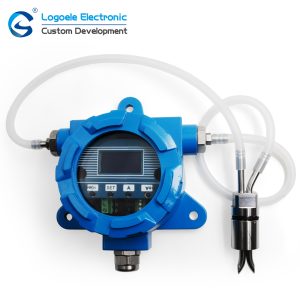
Gas Sensor in Agriculture
- Greenhouse Control Systems: Gas sensors measure and control temperature and CO2 concentration in commercial greenhouses for optimal crop growth.
- Pig and Poultry Farming: Gas sensors monitor CO2 concentrations during the gas stunning process in pig and poultry farming.
- Grain Storage: Gas sensors can detect CO2 to identify spoilage in stored grains.
- Anaerobic Digestion: Gas sensors are used to detect carbon dioxide and methane early in the biogas production process.
- Monitoring Methane Emissions: Gas sensors are employed to monitor methane emissions from agriculture and dairy farming.
Discover Logoele Sensor for Agriculture !
Need a Sensor for your future precise agriculture? Explore our sensor selection, which is ideal for agriculture applications. Contact our sales team today and find the perfect match for your needs.
- Weather Station Sensor
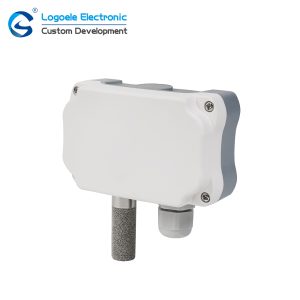
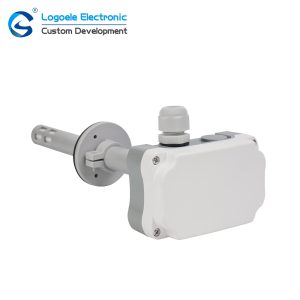
Duct Type Temperature Sensor with Analog & RS485 Output
This product has multiple variants. The options may be chosen on the product page - Weather Station Sensor
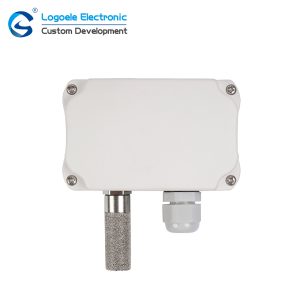
Temperature Sensor with Analog & RS485 Output
This product has multiple variants. The options may be chosen on the product page - Weather Station Sensor
Explosion-proof Digital Wind Differential Pressure Transmitter
This product has multiple variants. The options may be chosen on the product page - Weather Station Sensor
Digital Wind Differential Pressure Transmitter
This product has multiple variants. The options may be chosen on the product page - Weather Station Sensor
Pitot Tube Wind Speed Sensor
This product has multiple variants. The options may be chosen on the product page - Water Quality Sensor
EC Sensor Kit with RS485
This product has multiple variants. The options may be chosen on the product page - Air Quality Sensor
7in1 Air Quality Monitor
This product has multiple variants. The options may be chosen on the product page