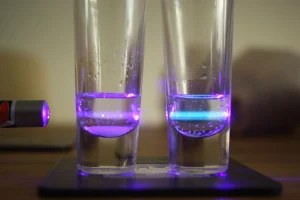
Image source: https://ag.purdue.edu/envision/the-big-idea-hydroponics-aquaponics/
Understanding the Basics and How Do sensors Benefit Aquaponic Systems?
Aquaponics is a sustainable and efficient food production method that combines aquaculture (fish farming) and hydroponics (growing plants in water). One of the biggest concerns of all aquaculturists is, will the fish I raise grow up healthy, and then make money for me, right? There are four most important indicators that shows if your fish and plants happy or not, Temperature, pH, dissolve oxygen, EC A effective aquaponic systems is a network of sensors that play a key role in monitoring and maintaining optimal conditions for aquatic organisms and plant growth.
The Vital Role of Sensors in Maintaining Optimal Conditions
Water quality is of great importance in aquaponics as it directly affects the health and well-being of fish and plants. The sensors continuously monitor important parameters such as pH levels, dissolved oxygen, ammonia, and nitrate concentrations. By providing real-time data, these sensors enable to help farmers to quickly detect and correct deviations from ideal conditions, ensuring a thriving ecosystem.
How Sensors Help Regulate Nutrient Levels in Aquaponics
In aquaponics systems, fish waste serves as a natural fertilizer for plants, providing them with the nutrients they need to grow. However, maintaining the proper balance of nutrients can be challenging.
For instance, photosynthesis, which consumes carbon dioxide (producing oxygen), raises the PH of the water, and respiration, which produces carbon dioxide, lowers the PH of the water. The change of PH can cause the corresponding change of blood PH of aquatic animals through the infiltration and respiration of hydrogen ions, thus destroying their oxygen delivery function. Too strong alkalinity often directly corrodes gill tissues, resulting in respiratory disorders and asphyxia of farmed animals.
Sensors equipped with nutrient level monitoring allow precise control of the integration of essential elements, providing plants with the nutrients necessary for optimal development, and avoiding the accumulation of toxic substances that could harm fish.
Maintenance and Testing
Regular maintenance and testing are essential to ensure your CO detectors function properly when needed. Here are some tips for maintaining your detectors:
- Test monthly: Press and hold the test button to ensure the alarm sounds and the LED lights up.
- Change batteries: Replace batteries at least once a year, or as indicated by the low battery warning signal.
- Replace the unit: Over time, sensors can lose their sensitivity. Replace your CO detector according to the manufacturer’s guidelines, typically every 5 to 7 years.
Environmental Control: Using Sensors to Manage Temperature, Humidity, and Light
Connect the sensor with your current system and free you from the drudgery. It will not be hard. Imagine it, the ph sensor is alarm because of the pH level is too high in your water tank, and then the lights will automaticly turn off to stop the photosynthesis. Or the weather was drop in the night, the temperature sensor knows that and then automatically turn on the water heater. The fish will not talk to your: “I can’t breath!”, but the disslove oxygen sensor will help the fish speak, and then automatically turn on the water aerator. Every sence was normall and daily. Think about it, why can’t we sit on the office and watch the monitor?
Real-Time Data Analysis: Leveraging Sensor Data to Fine-Tune System Performance
The wealth of sensor data generated in aquaponic systems provides valuable insights into system performance. By analyzing this data in real-time, farmers can identify trends, identify patterns, and make informed decisions to optimize efficiency and productivity. The ability to analyze sensor data allows farmers to continually improve their operations, from adjusting nutrient dosage to fine-tuning environmental parameters.
Integrating Automation: Streamlining Operations Through Sensor-Based Automation
Automation plays a vital role in optimizing efficiency and reducing labor requirements in aquaponic farming. Sensors serve as the eyes and ears of automated systems, providing the necessary input to control pumps, valves, and other equipment. By automating routine tasks such as nutrient dosing and water replenishment, farmers can focus their time and energy on other aspects of system management.
Cost Considerations: Exploring the Investment Value of Sensor Integration in Aquaponics
While the initial cost of sensor technology may seem daunting, the long-term benefits far outweigh the initial investment. By optimizing resource use, reducing waste and maximizing productivity, sensors enable farmers to achieve greater profitability and sustainability. Additionally, the ability to remotely monitor and control systems results in significant savings in labor and operational costs over time, making sensor integration a wise investment for the future.
- Water Quality Sensor
PH Sensor Kit with Temperature, Wall Mount
This product has multiple variants. The options may be chosen on the product page - Weather Station Sensor
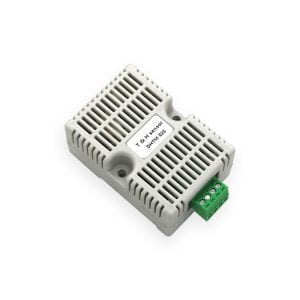
Temperature Humidity Sensor
This product has multiple variants. The options may be chosen on the product page - Water Quality Sensor
TDS Sensor Kit
This product has multiple variants. The options may be chosen on the product page - Water Quality Sensor
EC Sensor Kit
This product has multiple variants. The options may be chosen on the product page


Conclusion
In conclusion, sensors are the silent architects of success in the world of aquaponics, adding a touch of precision and passion to any system. Whether acting as watchful sentinels or uncovering hidden information, sensors enable farmers to cultivate thriving ecosystems with unprecedented efficiency and grace.As technology advances, so do the capabilities of sensors, ushering in a new era of sustainable agriculture where the possibilities are as limitless as the limitless creativity of nature itself.