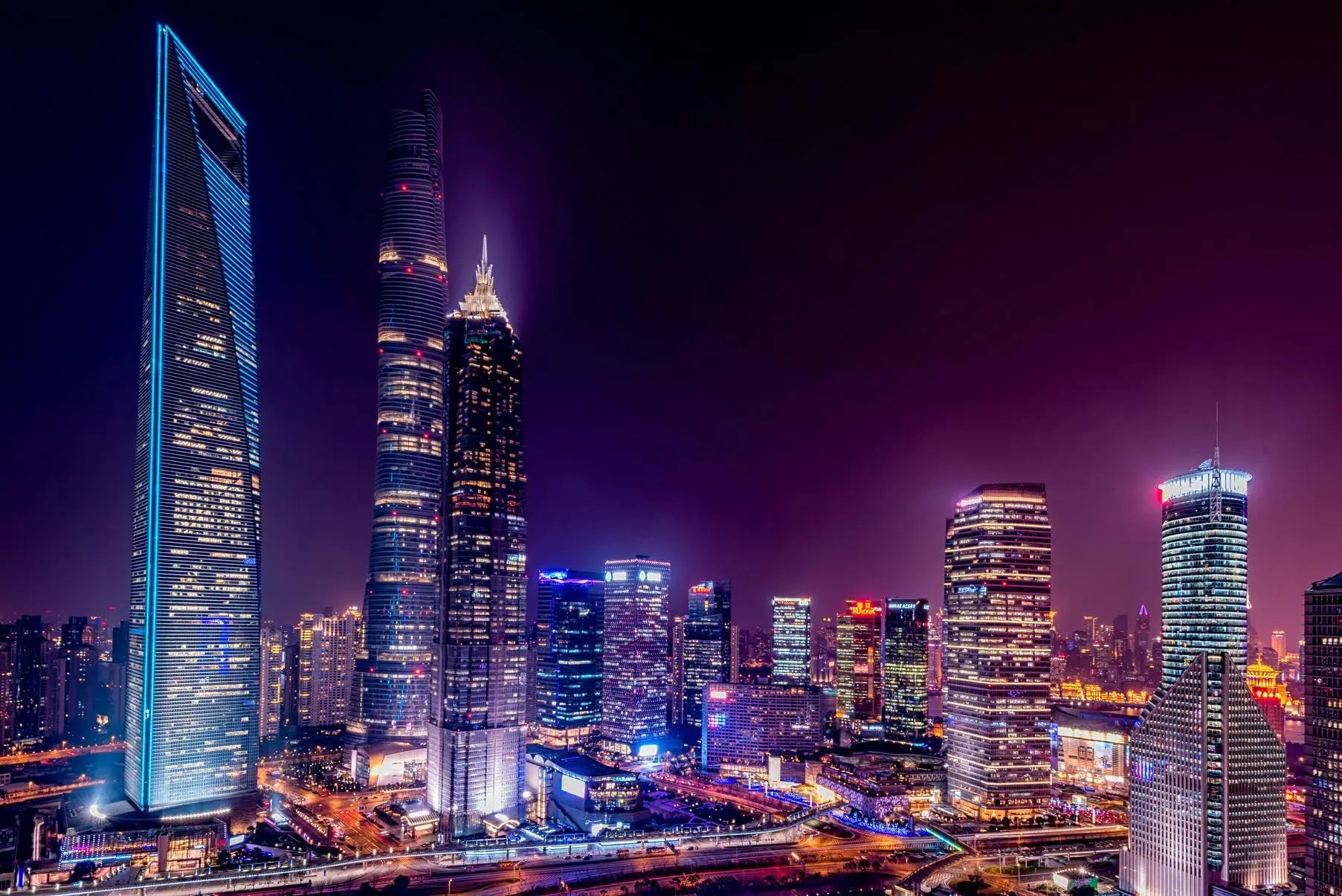
Global urbanization is becoming more and more common. The United Nations Population Division (2014)* predicts that by 2050, over 6.3 billion people, or 60% of the world’s population, will reside in cities. As more people move into cities, cities all over the world are battling aged infrastructure and restricted resources. A network of sensors, cameras, wireless devices, and data centers makes up the core infrastructure of smart cities, enabling civic authorities to deliver vital services more quickly and effectively.
What is the internet of things, or IoT?
The term “Internet of Things” is a general word that may be used to describe any thing that is connected to the internet, according to the International Telecommunication Union. On the other hand, the phrase “internet of things” (IoT) is becoming more frequently used to refer to particular items that are able to “talk” to one another.
It alludes to the extensive network of digital gadgets that are a part of our everyday lives and interact and communicate with one another. These gadgets can assess, track, and regulate specific facets of city life. They include smart sensors, monitoring tools, artificial intelligence (AI) applications, and actuators. For instance, a number of sensors may gather meteorological data, which can subsequently be utilized to control public building temperatures, reducing emissions and saving the city money.
The Internet of Things is not universally defined, and many organizations and people may propose variants from one definition to the next. Still, they all concur that the Internet of Things is “a collection of technologies for gaining access to the data gathered by different devices via wired and wireless networks.”
Can Sensor Technology Revolutionize Urban Infrastructure for Water, Energy, Lighting, and Waste Management?
The integration of sensor technology in water management, energy management, street lighting, and waste management represents a significant advancement in urban infrastructure. Here’s a breakdown of the benefits and implications of these technological implementations:
Water Management:
- Sensors on pipes can detect leaks promptly, reducing water wastage significantly.
- Automatic irrigation systems conserve water by deactivating during rainfall, optimizing resource usage in public spaces like parks.
Energy Management:
- Advanced Metering Infrastructure (AMI) with smart meters and PMU sensors enables efficient two-way communication between consumers and suppliers.
- Preemptive meter status checks reduce the need for manual field visits, improving resource allocation and service quality.
- Real-time energy usage data empowers consumers to make informed decisions and adjust preferences, promoting energy conservation.
Smart Streetlights:
- Adaptive brightness levels based on activity and daylight minimize energy wastage.
- Instant notifications of faults or tampering enable swift maintenance, ensuring lighting efficiency and security are maintained.
Waste Management:
- Sensors in garbage bins notify authorities when bins are nearing capacity, optimizing waste collection routes and schedules.
- Innovative solutions like “Intelligent Bins” streamline waste collection further by reporting full or damaged bins via text message, enhancing overall efficiency.