The Evolution of Agriculture: Embracing Technological Innovations
In a vast agricultural landscape, innovation is important to make sure that ancient farming strategies can meet the wishes of the modern-day world. Over the centuries, farmers have adapted to converting conditions and taken advantage of technological advances to increase productiveness and yields. One of the improvements that is causing a stir in agriculture these days is soil sensing.
Understanding Soil Sensors: How They Work and Why They Matter
Soil sensors are used to measure various parameters in the soil such as moisture, temperature, nutrient content and pH. They are installed throughout the farmland to provide real-time data for informed decision-making on irrigation, fertilization and crop management, which helps farmers make effective decisions related to cultivation.
For example, consider a farm in California facing water scarcity. By installing soil moisture sensors in their vineyard, farmers can monitor soil moisture levels continuously. When the sensors detect a decrease in moisture below a predetermined threshold, an automated irrigation system is triggered, delivering water precisely where and when it’s needed. This targeted approach optimizes water usage, reduces waste, and ensures the health and productivity of the vines.
Traditional irrigation methods often rely on manual observation or predetermined schedules, resulting in over-watering in some areas and under-watering in others. Additionally, precision irrigation systems equipped with soil sensors can adjust irrigation amounts based on real-time data, resulting in significant water savings and improved plant health.
Optimizing Crop Management: Harnessing Real-Time Soil Data
Soil sensors enable precision agriculture by collecting real-time data to support customized irrigation and fertilization. Farmers can direct resources to specific areas, minimizing waste and increasing efficiency.
For instance, by placing soil nutrient sensors in different fields on a large Midwestern wheat farm, farmers can identify nutrient-poor areas and apply fertilizer exactly where it is needed. This targeted approach not only optimizes fertilizer use, but also prevents excess nutrients from reaching groundwater, thereby reducing environmental impact.
In Table 1 below, the effects of conventional blanket fertilization are compared with sensor-based variable fertilization:

Table 1: Comparison of Traditional and Sensor-Based Fertilization
Environmental Sustainability: Reducing Waste and Maximizing Yield
Soil sensors promote environmental sustainability by optimizing resource usage and minimizing waste. Precise application of water and fertilizers conserves resources and protects ecosystems.
A corn farm in the Midwest makes use of nitrogen sensors that measure nitrogen stages within the soil and allow farmers to regulate nitrogen fertilizer charges based totally on crop needs. hrough optimizing nitrogen use, it is possible to reduce greenhouse gasoline emissions related to fertilizer production and reduce nitrogen runoff into water bodies, thereby lowering the impact on the surroundings.
Empowering Farmers: Enhancing Decision-Making with Precision Agriculture
Soil sensor technology empowers farmers with data-driven insights, streamlining decision-making and improving outcomes. Access to accurate, up-to-date information revolutionizes crop management practices.
One instance is a soy plantation in Brazil that uses soil sensors to control pests. They use soil moisture sensors blended with temperature information to are expecting favorable developing situations for pests which includes nematodes. With this facts, farmers can take targeted pest manipulate measures, along with growing ailment-resistant varieties or the use of biopesticides, to decrease crop damage and increase yields.
Looking Ahead: The Promising Future of Soil Sensor Technology in Farming
As soil sensor technology advances, its capacity in agriculture continues to grow. As accuracy, affordability, and scalability improve, soil sensors will keep playing a significant function in sustainable and efficient agriculture.
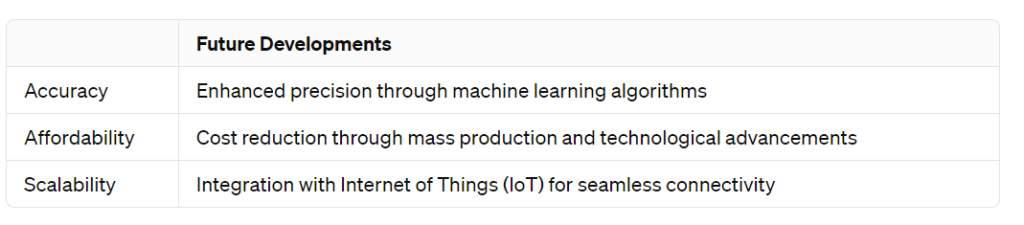
Table 2: Future Developments in Soil Sensor Technology
In conclusion, soil sensors represent a revolutionary innovation in agriculture. By sharing real-time data and knowledge with farmers, they optimize resource use, reduce waste, and promote environmental sustainability. As we shape the future of agriculture, soil sensors will continue to be critical in shaping the way we farm and feed the world.