These days, we had the privilege of a meeting with Zhongke Kaichuang (Guangzhou) smart era improvement Co., Ltd., discussing the optimization of gas sensor modules for their specialized intelligent inspection robots. This dialogue aimed to nice-tune the 6-in-1 parameter sensors to adapt to extreme environments, including underground pipe tunnels. In this post, delves into the details of sensor optimization answers tailor-made for challenging conditions like high humidity and electromagnetic interference.
The robot underground’s working environment
When talking about underground utility tunnel, the intelligent robot of the company works on single track I-shaped rails or double-circle rails that are pre-installed. They have position sensors fitted on the rails to guide the robot in locating the underground position. With sensors and cameras mounted onto the body of the robot, it performs the work completing the inspection in the utility tunnels. As a result of the high-humidity of the utility tunnel which can reach up to around 90% there is a considerable challenge with electronic components. Moreover, the high magnetic fields created by the power grid lines in the tunnels disrupt the sensing operation by affecting the sensor accuracy and life.
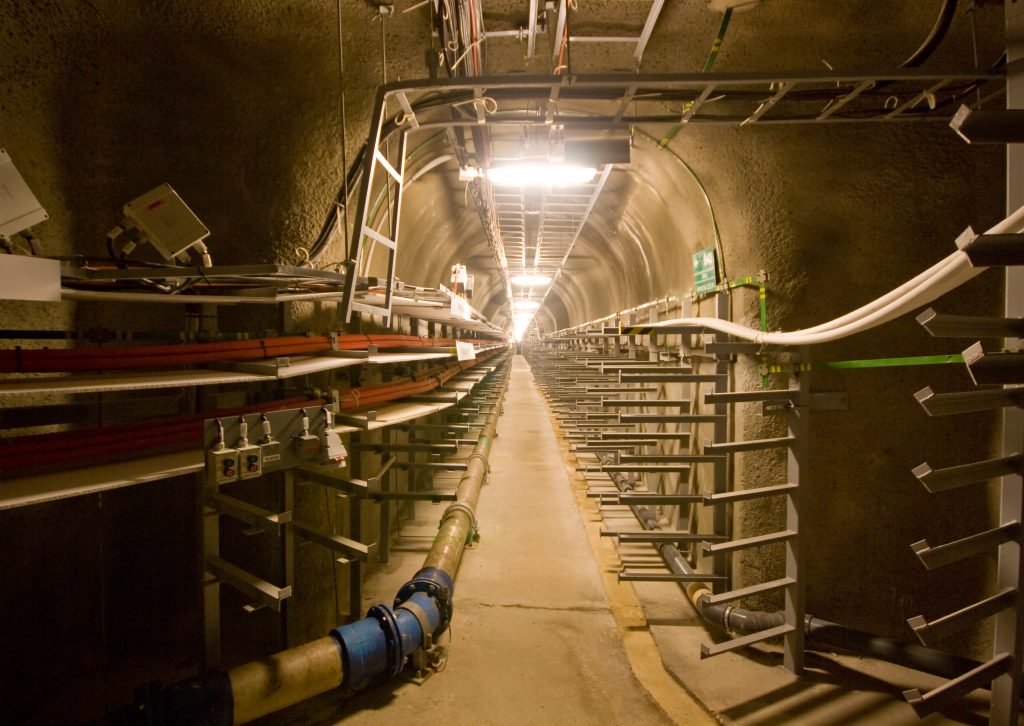
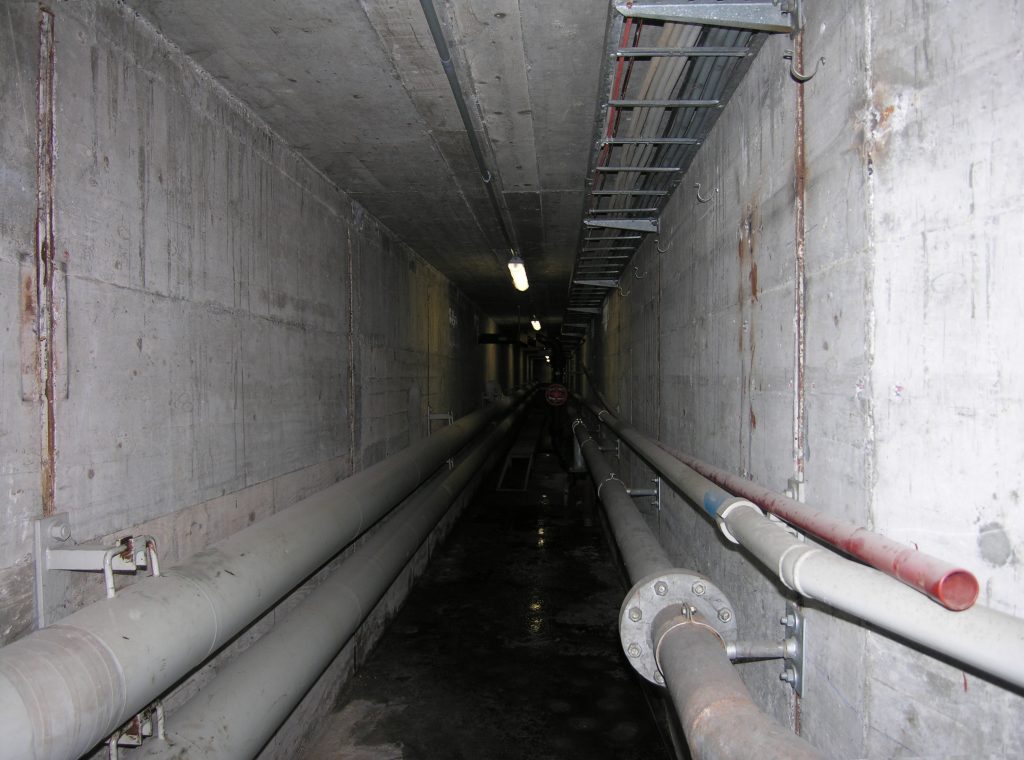
A utility tunnel, utility corridor, or utilidor is a passage built underground or above ground to carry utility lines such as electricity, steam, water supply pipes, and sewer pipes. Communications utilities like fiber optics, cable television, and telephone cables are also sometimes carried. One may also be referred to as a services tunnel, services trench, services vault, or cable vault. Smaller cable containment is often referred to as a cable duct or underground conduit. Direct-buried cable is a major alternative to ducts or tunnels.
Optimize solution details
According to the challenge we meet, there are several improves made by our R&D team.
Circuit Board Optimization:
In this instance, a particular improvement has been made to a component of the robot known as the circuit board.
The circuitry has an RS485 interface, which kind of resembles the communication pathway used to communicate between various components of the robot. Think of it as a method of sending and retrieving data that is used by the brain of the robot.
However, in the settings where this robot is used – underground tunnels with cables and high-voltage electric equipment – there is a concern. The consequence of the electrical strong equipment is creation of interference, resembles those interference of static on music radio, which disperse the communication on RS485. This interference can create a misleading picture for the robot’s brain (circuit board) and create potential mistakes, faults, and errors.
In order to address this issue, our engineers came up with a new feature called isolated power protection. The communication channel would be protected by a protective shield against the disrupting effects of electrical equipment. This shield guarantees that the signals emitted and received by the robot are stopped from interferences of high voltage. Therefore, it is a method ensuring that the robot is able to use communication effectively and perform it’s assigned work in harsh underground environments.
Sensor Monitoring Parameters:
The parameters optimized are as follows: carbon monoxide, smoke, hydrogen sulfide, oxygen, methane, PM 2.5, PM50, temperature, and humidity. In response to the highly humid environment in underground tunnels, two different gas sensor intake methods are proposed: Diffusion and pump-based types that deal with false alarm and short lifetime.
Diffusion:
Provides water impermeable component, strengthens moisture barrier property as compared to the original hardware design. Effective multiple cost, and good moisture-proof and anti-condensation effects. Pretreatment has limited effect on water vapor in the air.
Imagine a robot with gas sensors that act like miniature detectors that sense different gases in the air, such as smoke or harmful gases. When it is in places, such as underground tunnels, this can be very humid.
To ensure that these gas sensors work well in such humid conditions, engineers came up with a solution called “diffusion”. More specifically, they added a special layer to the sensors, which works like a waterproof cover. This cover helps protect the sensors from moisture and improves their resistance to moisture. Which is like putting a raincoat on your sensors to keep them dry!
This diffusion method is a fairly economical way to ensure that the sensors are not impacted by the moisture in the tunnels. It’s like adding an extra moisture barrier to prevent water from getting into the sensitive part of the sensor.
Since this process is excellent at maintaining an air seal, there is not much that it does to purify or remove moisture vapor, which could be found in the air at the time. It is more of a protective measure to ensure that the sensor is able to stay dry and work efficiently without being affected in any way by the surrounding humidity. Thus, diffusion allows the gas sensors in the robot to stay dry and function in underground conditions.
Pump:
The pump mode is based on the connection of a pipeline with each sensor and then using a pump to draw in gases from the surrounding and transfer them into the sensors. This approach involves such factors as pump selection Changes in incidental volume space as a result of adding a pump necessitate structure modifications to the outer shell, which increases costs. But it provides better moisture-resistance and dehumidification values, which ultimately make the sensor service-life longer. In this technique every sensor is connected to the pump with the help of a piping and the pump takes the gases from the environment to the sensors.
However, this measure has some considerations. First, it is important in choosing a relevant and appropriate pump, like picking the right tool. Second, the addition of a pump depends on accommodating it within the robot. This is analogous to introducing a new device in a house; therefore, reconfiguration maybe necessary, incurring extra costs due to the need to use more materials as well as labor in order to incorporate the new pump.
Although this design comes with the price, it has some benefits. The pump not only reduces humidity but draws away unnecessary moisture, which is analogous to the robots ensuring a dry atmosphere. As a result, the sensors have a longer l range between them and the chains, as the proper maintenance of goods ensures their extended life. So, though costs may grow, it is a strategic investment to ensure that the robot’s sensors are in a satisfactory state allowing them to work efficiently within a long period.
Enhanced Functionality of Smoke Alarms
For correcting the frequent false alarms of single smoke sensors, it is proposed to use several parameters of gas sensor monitoring as calibration parameters. It has been proposed to better the accuracy and reliability of smoke alarms through this approach, focusing on both smoke concentration and time.
Considerations for Robot Working Modes
On-site observations show a variety of working modes of the robot, for example, “I-beam track, “double circle track”. On the other hand, scheduled studies and optimization can be performed due to concerns about vibrations potentially interacting with the operation of installed sensor modules.
Outlook on Collaborative Achievements
Indeed, this cooperation has not only served Zhongke Kaichuang an optimization solution but has also represented our test case in the technology innovation and problem-solving areas. We are determined to preserve this close partnership, taking the improved solutions further to make sure that the sensor modules function effectively and stably in extreme operating situations. We strongly hold that because of this cooperation, our sensor modules would show even greater efficiency in use by specialized intelligent inspection robots in practice, developing the smart technology industry in this way.
We remain optimistic about future partnerships that will see us work hand in hand towards finishing greater breakthroughs when it comes to the use of sensor modules to get into specialized domains of new technology.